The Chase Credit Journey write-ups that help readers do not sell it as “another free score app.” They sell the Experian-powered habit—a VantageScore® 3.0, an Experian report, a why-it-moved explainer, and an Experian action plan—with no Chase account required. That is the angle this review uses.
Chase Credit Journey® is free for eligible U.S. adults (typically 18+, valid U.S. address and SSN). Checking the score is designed as a soft look—it should not ding you. Chase itself warns that lenders (including Chase) may not use VantageScore 3.0, so the number on screen is a trend + education tool, not a loan-approval oracle. Pair with CreditWise for a free FICO habit and freezes at all three bureaus.
Related: CreditWise, Credit Karma, SoFi Coach, TransUnion Premium, best credit monitoring.
Education only—not loan advice or a fraud-prevention guarantee.
Why Credit Journey stands out among free bank tools
Chase’s education pages and product copy land on a few hooks competitors emphasize less:
- “What changed” — a feature that shows why your score moved and by how many points, exclusively framed as Experian-powered for Credit Journey.
- Personalized score-improvement plans from Experian — Chase markets that users who set and achieve a plan goal improve by an average of 35 points or more (a marketing average for finishers, not a promise for your file).
- Weekly-style refresh — score typically eligible to refresh about every seven days, with Chase saying it strives to refresh at least monthly, and alerts can trigger a refresh.
- No Chase account required — customers and non-customers can enroll; Chase app users just get fewer logins.
Some Chase pages also say Credit Journey “pulls information from Experian, Equifax, and TransUnion to keep you informed.” Treat that carefully: the score and consumer report you read in-product are Experian / VantageScore 3.0. It is not the same as a paid three-bureau identity suite. Always confirm what a given alert is watching in the live Alerts tab.
What Chase Credit Journey actually is
Credit Journey is Chase’s free credit dashboard—available on the web and in Chase Mobile—powered with Experian data for the score and report experience.
| Item | Chase Credit Journey (typical) |
|---|---|
| Cost | Free (Chase customer or not) |
| Score model | VantageScore 3.0 via Experian |
| Report shown | Experian consumer report |
| Refresh | About weekly; at least monthly; alerts may trigger refreshes |
| Signature feature | Score-change explainer (“why it moved / by how many points”) |
| Plan tool | Experian personalized goals/actions (often 3–12 month framing) |
| Credit alerts | New / positive / negative activity; limit, usage, balance changes |
| Identity extras | Opt-in dark web, breach, SSN activity, identity-verification alerts |
| Hard pull to view? | Designed not to impact your score when you view it |
Credit Journey terms (FCRA authorization language) let Experian release report/score info for the service and note Chase may use information to offer other Chase products. Soft-pull score views are fine; hard-pull applications are a separate decision.
What you get for free (in detail)
Experian VantageScore 3.0 + report
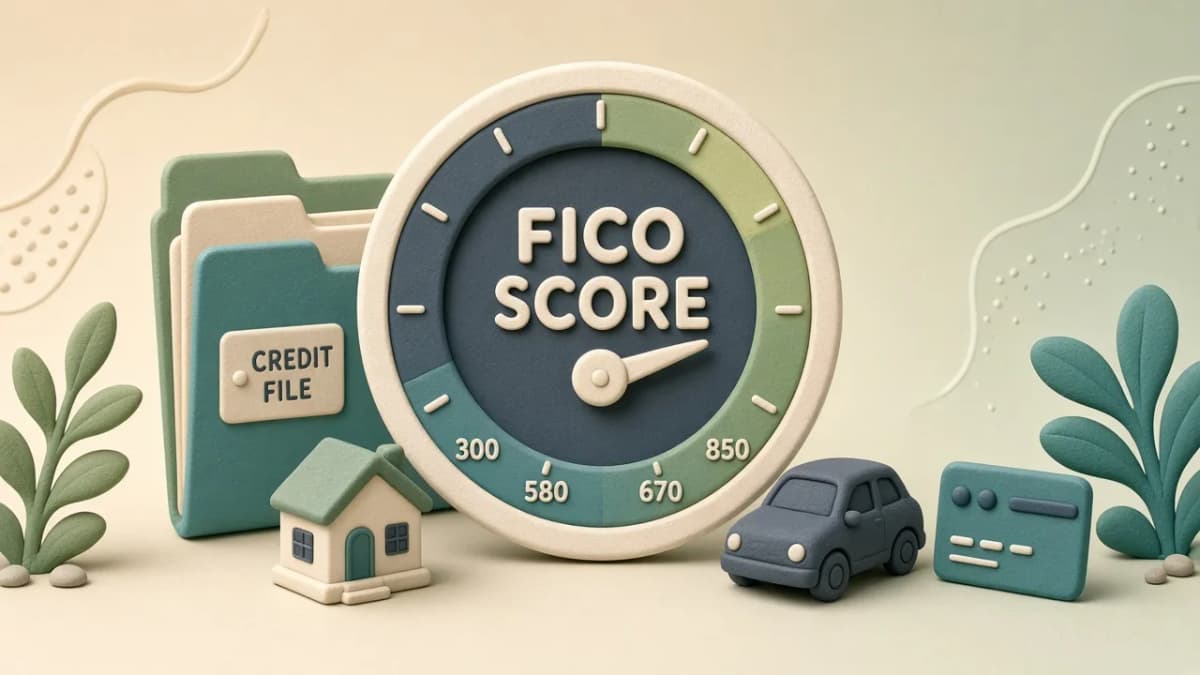
You get a free Experian credit report view (open/closed accounts, credit checks when lenders use Experian, derogatory marks, collections, public records, personal info, and more) plus a VantageScore 3.0 on the 300–850 scale.
Chase is explicit: your lenders—including Chase—may evaluate a different score model. Use Credit Journey to track trends and factors, not to predict a mortgage desk decision. For a free FICO Score 8 habit, use CreditWise.
The “what changed” explainer
This is Credit Journey’s clearest product differentiator versus bare score dials.
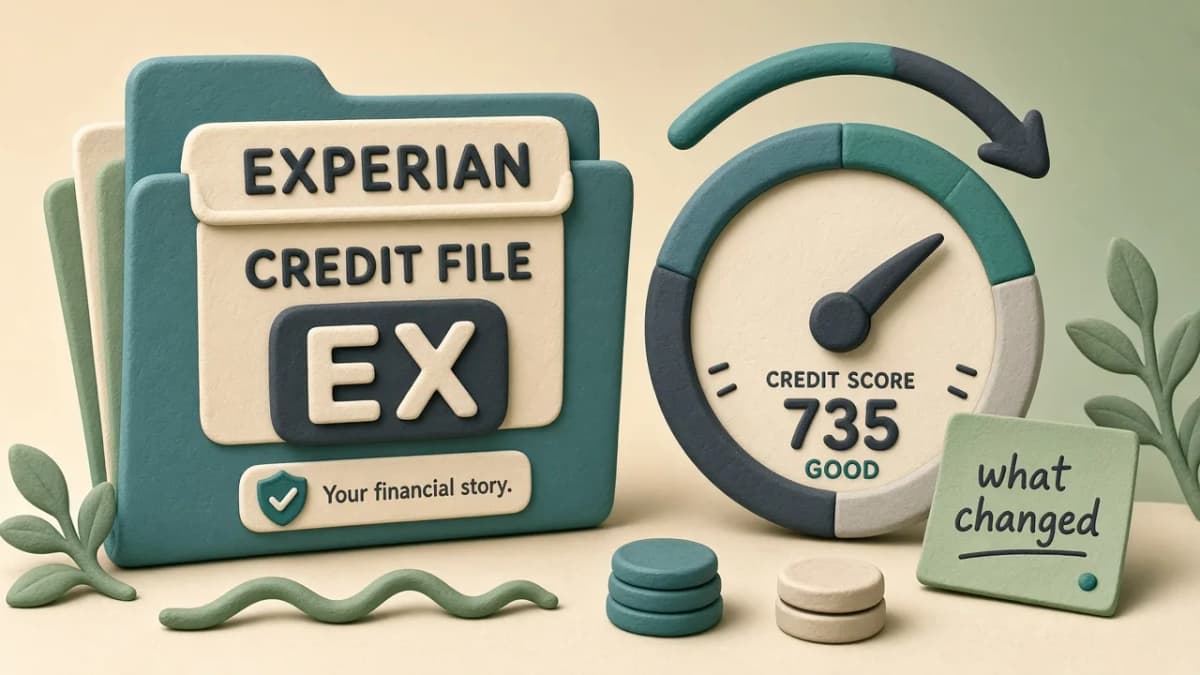
How to use it without self-sabotage:
- Open the change view on a fixed schedule (weekly is enough).
- Note the factor that moved (utilization, new inquiry, status change).
- Act only if the cause is real (pay before statement close, dispute an error)—not because an arrow felt nice.
Chase also notes that credit monitoring alerts do not include score changes or score goal updates—so the explainer and the alert feed are related but not identical jobs.
Experian score-improvement / action plan
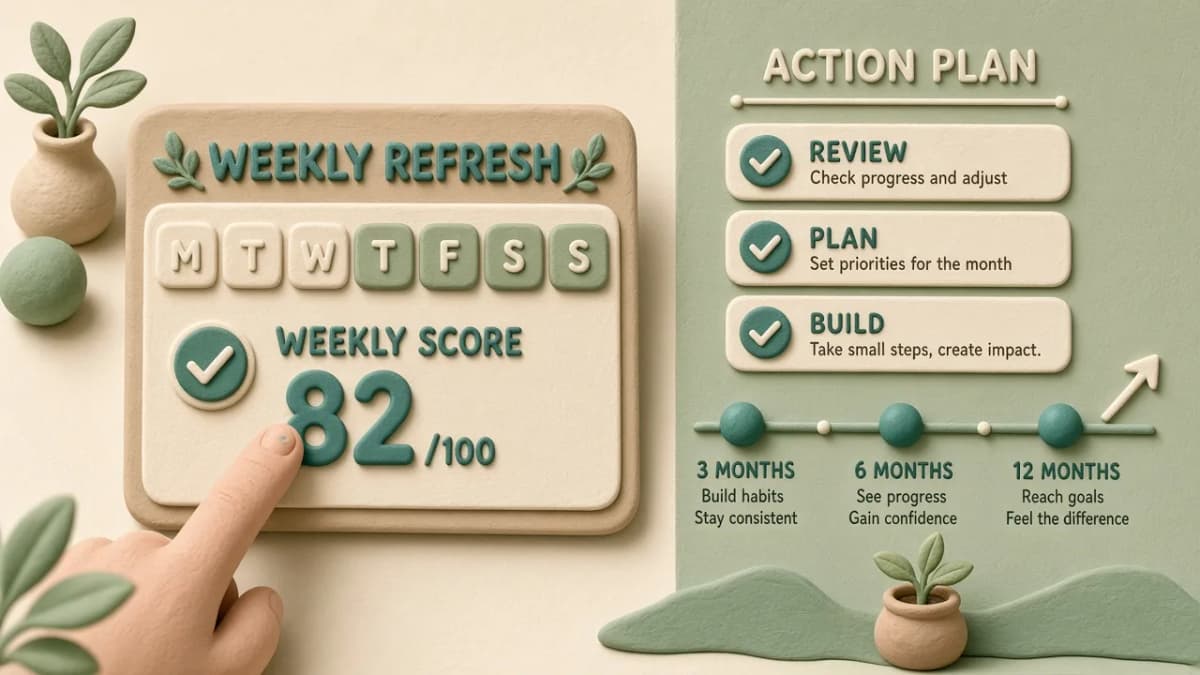
After you set a goal and timeframe, Experian provides a personalized plan with steps that might raise your score over roughly three to twelve months (examples Chase cites include paying down debt or opening an account—treat those as suggestions).
Rules of thumb:
- Write a goal score range and deadline (e.g., 90 days before apartment apps).
- Execute only levers that match utilization and payment reality.
- If the plan pushes new credit and you already have five cards, ignore that line.
- The “average of 35 points or more” claim applies to people who set and achieve a plan goal—not everyone who opens the app.
Credit monitoring alerts
Chase’s monitoring education describes alerts for:
- New activity — e.g., new account, lender credit check
- Positive activity — paying past due, paying off an account
- Negative activity — missed payment, collections, bankruptcy marks
- Limit / usage / balance changes across accounts (not only Chase cards)
Opt in for email, text, or push. Chase notes delivery can be delayed for technical reasons—alerts are a backup, not a freeze.
Identity monitoring (opt-in) and restoration note
Credit Journey’s identity monitoring (opt-in after enroll) typically includes:
- Dark web surveillance
- Data breach monitoring
- SSN activity tracking (name/address factors linked to your SSN)
- Identity verification alerts (e.g., when a lender verifies you for a loan)
Chase’s Credit Journey overview also mentions eligibility to begin a claims process through ID Restoration services covering a maximum of $1M per customer for expenses accrued while restoring credit (confirm live eligibility, process, and exclusions—marketing language is not a policy PDF).
This still does not replace free security freezes at Equifax, Experian, and TransUnion.
Dashboard, dispute guide, education
The personalized dashboard shows score range, usage insights, score history, limits/balances, and Credit Insider-style education. Chase also advertises a dispute guide, FAQs, and a timeline of credit/identity alerts (Chase cites visibility within roughly the last two years for some alert history—confirm in-product).
Start Credit Journey without a Chase account →
Weekly habit vs plan habit
| Habit | Job | Done means |
|---|---|---|
| Weekly refresh | Trend awareness | You read “what changed,” then close the app |
| Action plan | Goal execution | One lever per statement cycle (usually utilization or on-time pay) |
| Freeze day | Fraud prevention | All three bureaus frozen the same afternoon |
Skip a formal plan if your file only needs time and clean payments. Not every thin problem needs a new tradeline.
What Credit Journey does not do
| Expectation | Reality |
|---|---|
| “This is my Chase underwriting score” | Chase may use a different model than VantageScore 3.0 |
| Free FICO Score 8 | That’s CreditWise’s lane |
| Full three-bureau paid ID suite | Experian-centric free tool + optional ID features; confirm alert scope live |
| Blocks new accounts | You still place freezes / fraud alerts |
| Guaranteed +35 points | Marketing average for people who finish a plan goal |
Who Credit Journey is for
Strong fit
- You want a free Experian VantageScore habit with a change explainer
- You will actually open a score plan and finish one goal
- You already live in the Chase app and want fewer logins
- You want free credit + opt-in identity alerts without a subscription
Poor fit
- You need FICO 8 before a mortgage/auto desk → CreditWise
- You want Equifax + TransUnion VantageScores in one app → Credit Karma
- You need paid three-bureau + insurance in one bill → TransUnion Premium
- You only want a number to screenshot and will never open alerts
Chase Credit Journey vs CreditWise vs Credit Karma vs TransUnion
| Credit Journey | CreditWise | Credit Karma | TransUnion Premium | |
|---|---|---|---|---|
| Cost | Free | Free | Free | ~$29.95/mo |
| Score | Experian VantageScore 3.0 | TU FICO 8 | EQ + TU VantageScore 3.0 | TU Vantage (+ paid 3-bureau) |
| Report focus | Experian | TransUnion | Equifax + TransUnion | Multi-bureau on paid tier |
| Signature free hook | Change explainer + Experian plan | Free FICO habit | Dual-bureau Vantage | Paid ID + 3-bureau alerts |
| Best for | Experian trend + plan | Lender-familiar FICO | EQ+TU habit | Paid monitoring suite |
Practical free stack: Credit Journey (Experian Vantage) + CreditWise (TU FICO / TU+Experian alerts) + Credit Karma (EQ+TU Vantage)—then freezes everywhere. Do not stack four apps and skip freezes.
How to set up Credit Journey well
Enroll (Chase customer or not)
Confirm you are 18+, have a U.S. address and SSN, and complete identity verification.
Open the Experian report once
Baseline accounts, inquiries, and personal info before you trust alerts.
Turn on credit alerts
Opt in for new, negative, and usage/limit/balance changes.
Decide on identity monitoring
Opt in if you want dark-web / SSN / breach-style alerts; read restoration claim terms if you care about the $1M marketing cap.
Use ‘what changed’ weekly
One short review beats daily anxiety scrolling.
Set one Experian plan goal—or skip the plan
Only if you have a deadline. Otherwise stay on weekly awareness.
Freeze Equifax, Experian, TransUnion
Credit Journey does not replace freezes. See credit freeze guide.
Pros and cons
Pros
- Free Experian VantageScore 3.0 + Experian report
- Strong change explainer habit feature
- Experian action plan with time-boxed goals
- Credit monitoring alerts (new / positive / negative / usage)
- Opt-in identity monitoring; Chase markets ID restoration claim eligibility (confirm terms)
- No Chase account required; convenient inside Chase Mobile
Cons
- VantageScore ≠ many lenders’ FICO (Chase says so)
- Not a substitute for freezes or a full paid three-bureau suite
- Plan averages are not personal guarantees
- Offer/consent layer may surface Chase products
- Alert delivery can lag; unread alerts help nobody
Common mistakes
- Treating Credit Journey as your Chase approval score
- Opening new cards because the action plan suggested “more credit”
- Ignoring Equifax/TransUnion because Experian feels covered
- Skipping freezes because dark-web alerts feel protective
- Never opening “what changed,” then blaming the tool
Bottom line
Chase Credit Journey is the strongest free pick when you want an Experian VantageScore habit with a real change explainer and an optional Experian plan—especially if you already bank in Chase. Use it for weekly trends, report review, and alerts—not as your only fraud defense or FICO truth source.
Add CreditWise for FICO 8, Credit Karma for Equifax+TransUnion VantageScores, freeze all three bureaus, and upgrade to TransUnion Premium only if you want paid three-bureau identity tooling in one subscription.
Get your free Credit Journey score →
Do I need a Chase account for Credit Journey?
No. Chase states Credit Journey is free for eligible users whether or not you bank with Chase.
What score does Chase Credit Journey show?
VantageScore 3.0 powered by Experian. Chase notes lenders—including Chase—may use a different model.
How often does the score update?
Typically eligible for a refresh about every seven days; Chase says it strives to refresh at least monthly; monitoring alerts can trigger a refresh.
Does checking Credit Journey hurt my credit?
Chase markets viewing as no impact to your score. Applying for credit products is a separate hard-pull decision.
Is the +35 point plan claim guaranteed?
No. Chase cites an average improvement for users who set and achieve a plan goal. Your results depend on your file and behavior.
Credit Journey vs CreditWise—which should I use?
Credit Journey for Experian VantageScore trends, change explainer, and Experian plans. CreditWise for free TransUnion FICO Score 8 and TU/Experian-style free monitoring. Many people use both.
Does Credit Journey replace a credit freeze?
No. Monitoring alerts after the fact; freezes block many new credit pulls. Freeze Equifax, Experian, and TransUnion.
Sources and notes
- Chase, What is Chase Credit Journey?, How to use Credit Journey, Scoring model, Credit monitoring, Free credit score.
- Chase, Credit Journey Terms and Conditions — FCRA consent and educational-score language.
- AnnualCreditReport.com.
- CFPB / FTC freeze and fraud alert resources.
- Features, averages, and restoration claim terms change—confirm in the live Chase experience.
- This article does not guarantee score gains, approvals, or fraud prevention.